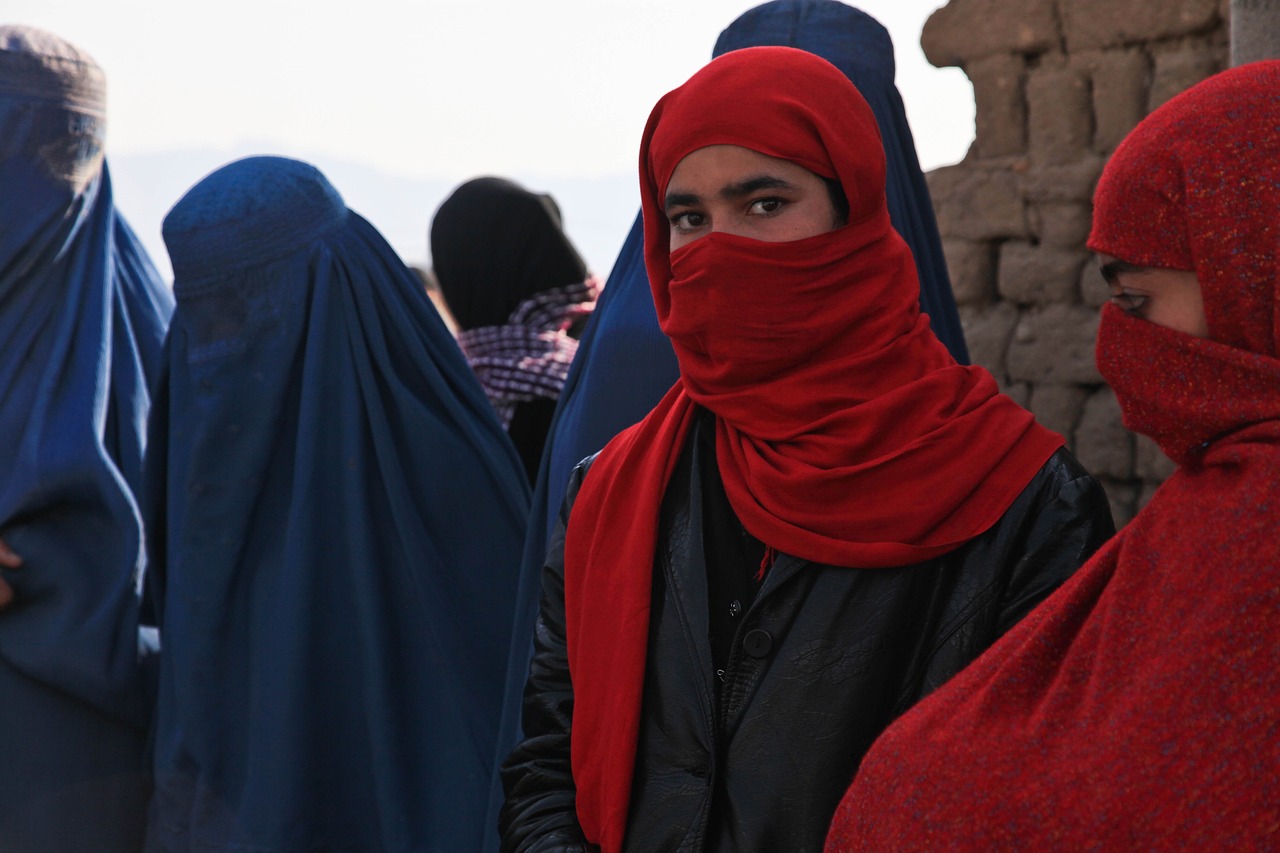
Fall of Kabul on 15th August 2021 to the Taliban was disbelief, shock and a historical turning point not only to the Afghan people, but also to the World. The Republic of Afghanistan after 20 years of support by the US and its allies collapsed, President Ashraf Ghani and many other politicians fled and Afghan people were left behind desperately.
After almost three years, the Taliban maintain power and keep strengthening their grip. Not recognized by a single country yet, the Taliban claim that they have internal recognition and have established an inclusive government successfully. The Western countries cannot and will not abandon Afghanistan and its people because a stable Afghanistan is in the interest of the region and the world.
The regional and the Western countries feel obliged to prevent Afghanistan from becoming a safe haven for terrorism again. Immigration flows, humanitarian aid, creating employment opportunities, inclusive government, human rights are also vital factors that keep the Western countries still interested and engaged in Afghanistan.
Three years have passed, but it seems that the Western policies and approaches towards Afghanistan are not working. We still observe poverty, unemployment, immense challenges in health care and education sections, immigration flow and problems with how to integrate Afghanistan into the international community. Hence, it is crucial to find out how to address the above challenges effectively, what is missing in the current approach? What needs to be amended? What are the cultural and communication gaps, and how they should be bridged? This is an initiative by the Afghan diasporas and experts to answer the above mentioned questions.
Our Team
We are experts by experience on Afghanistan.
Our team has profound knowledge of Afghan culture, languages, history, religion and (geo)politics.
We work with researchers and academicians to produce scientific and practical recommendations for the governments and international organizations.

Our Vision
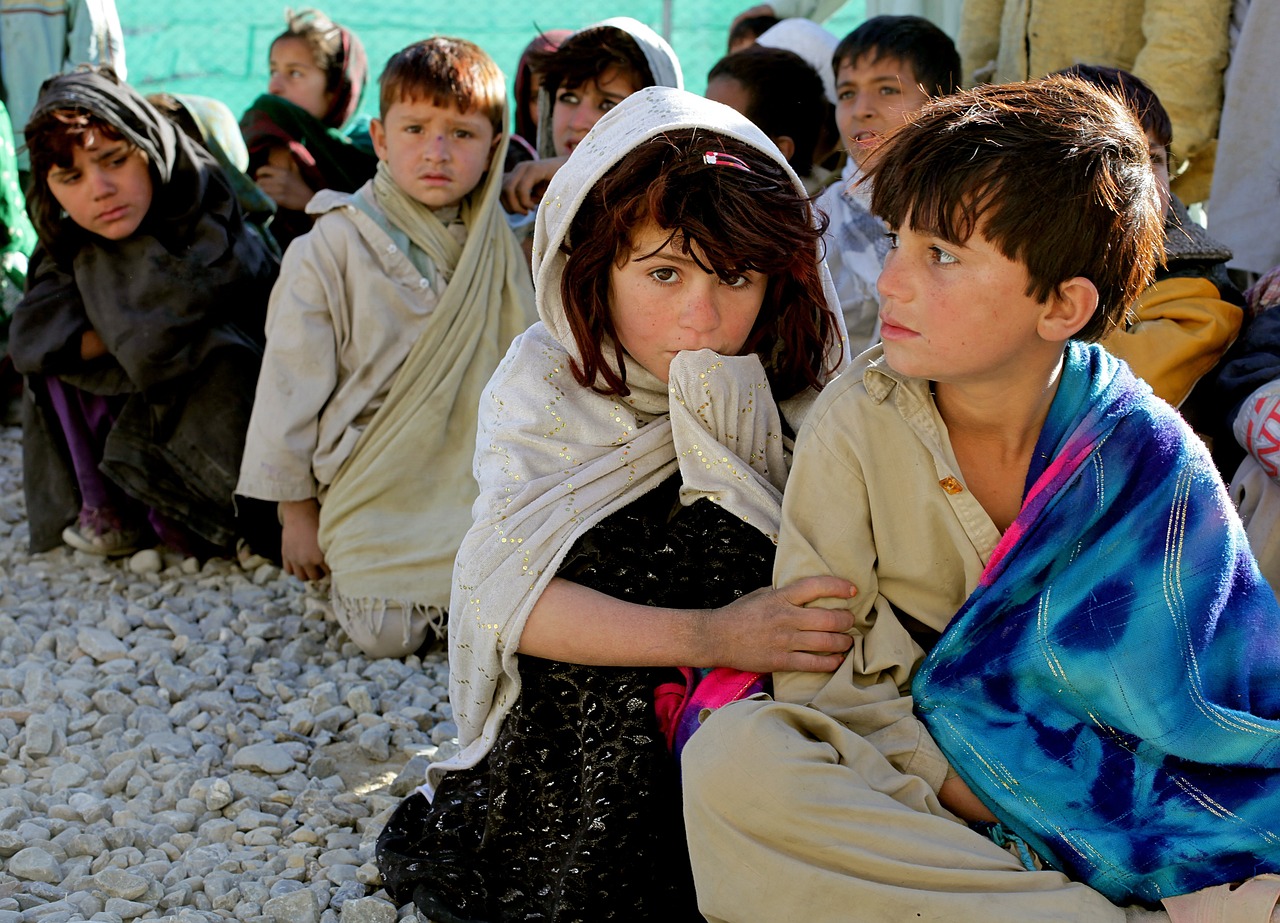
Culturally sensitive approaches can attain positive results. It will foster understanding, build trust and produce sustainable results. Our vision is to strengthen the private sector, facilitate political dialogue and encourage humanitarian aid in Afghanistan through culturally sensitive approaches.
Our Mission
Our mission is to help Afghans to become self-sufficient.
In order to achieve this goal, we will help the private sector in Afghanistan as a strong private sector will drive economic growth by creating jobs and increasing productivity.
We aim to support local businesses to create more jobs, this will reduce unemployment and provide livelihood for families. Economic growth will eventually contribute to social and political stability. Furthermore,
we will focus on political dialogue, humanitarian aid, health care, education and empowering communities to promote peace and stability.
Our Strategy
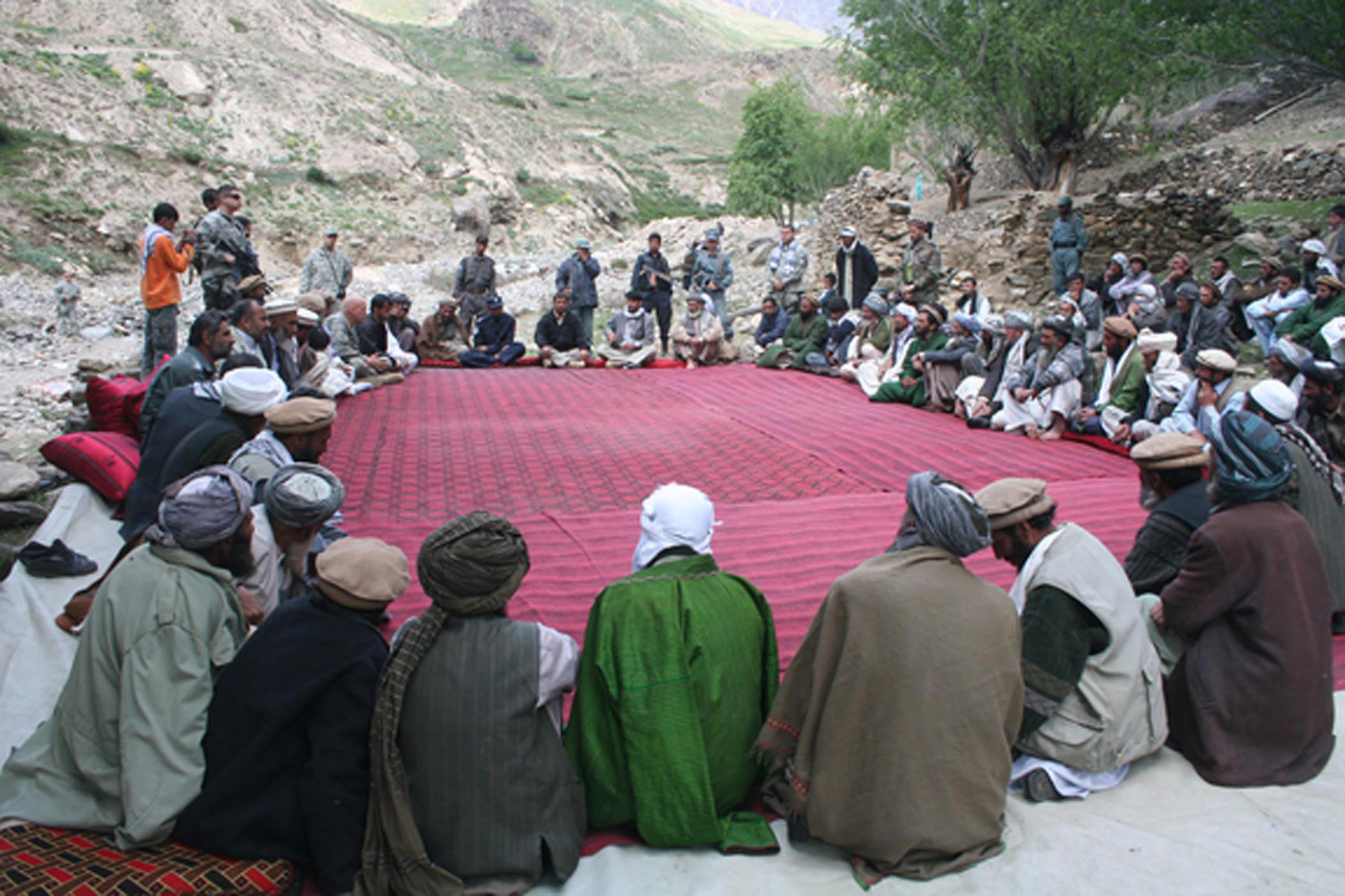
Engagement with cultural sensitivity in the current context of Afghanistan will be helpful to make the breakthrough. It is crucial to work with cultural sensitivity in Afghanistan for several reasons.

Cultural Communication
Cultural sensitivity enhances communication, facilitates dialogue, builds trust, pave the way for mediation and prevents misunderstanding.
Diverse Understanding
Afghanistan has different languages, various ethnic groups and dissimilar traditions. Understanding these differences and cultural awareness will help to build trust, communicate effectively and achieve sustainable results.
Avoiding Misunderstandings
Ignoring cultural sensitivity will lead to misunderstandings, distrust and conflict.
Gender and Culture
Gender roles have always been an issue in Afghanistan. Cultural awareness approach will help to address this issue more effectively.
Collaborative Problem Solving
Instead of talking about the problems that Afghanistan is facing and the challenges that the Western countries are dealing with, our strategy is to talk with all actors (governments, civil societies, experts, politicians, researchers and the Afghan people) in order to define the problems.
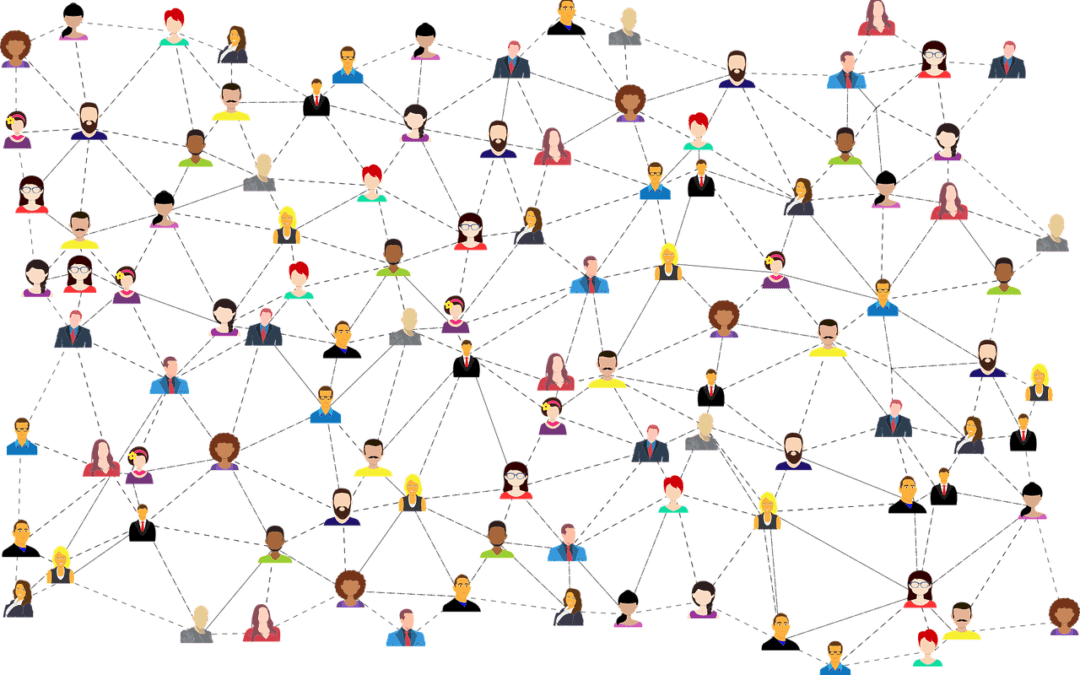
Extensive Network
We have a large network inside and outside Afghanistan, this makes our outreach approach effective and enables us to gather first-hand information.
Our Strategic areas of focus
Private sector
we aim to strengthen the private sector in Afghanistan and enable communities to become self-reliant. By helping the private sector there will be more employment opportunities, economic growth and less immigration flow. This will eventually lead to social and political stability.
Humanitarian aid
A significant portion of the Afghan population lives below the poverty line, humanitarian aid is needed to provide (temporary) relief to vulnerable communities.
Health care access
We aim to improve health care access as it is facing immense challenges. Humanitarian aid will provide medical services, vaccinations and mental health support.
Education access
Important to educational initiatives to ensure children have access to schooling
Empowering communities
to thrive resilience, long-lasting peace and stability.
bridging the gap
to build trust between the West and Afghanistan, facilitate dialogue and pave the way for Afghanistan to integrate into the international community.
Fostering Resilience
Humanitarian aid not only addresses current needs but can also support longer-term recovery and resilience by providing resources for livelihood programs and infrastructure development.
Facilitating (political dialogue) with national and international actors
A lack of dialogue has exacerbated tension in Afghanistan internally and internationally. (Political) dialogue is important to address grievances and focus on development. Inclusive political dialogue will ensure that all voices are heard.
Possible Outcomes
By prioritizing cultural sensitivity and respecting religious and social norms in the Afghan context, we can expect the following several positive outcomes:
Economic Growth
Tailored approaches that align with local values can stimulate economic activities and foster entrepreneurship.
Increased Employment
Supporting community-driven initiatives will lead to job creation, providing sustainable livelihoods for families.
Social Cohesion
Engaging with communities in a culturally sensitive manner can strengthen trust and unity, reducing tensions and fostering cooperation.
Self-Reliant Communities
Empowering local populations to take charge of their development can lead to greater resilience and independence.
Reduced Immigration Flow
As communities thrive and become more self-sufficient, there may be less incentive for individuals to seek opportunities abroad.
Social and Political Stability
A focus on cultural values and norms can contribute to a more stable society, where individuals feel respected and included in decision-making processes.
embracing cultural sensitivity is key to achieving sustainable progress and stability in Afghanistan.
GET IN TOUCH